
Italy's natural environment
Nature and climate in Italy
Six large natural environments dominate the landscape and climate in Italy. In addition to the mountainous regions and the islands, the predominant natural areas of Italy are the lowlands north of the Apennines and their foreland west and east of the Apennines. The hilly alpine country, breathtaking mountain ranges, beautiful coastlines and lowlands prove to be very inviting. The population's awareness for enviromental protection has noticeably increased in recent years as the coasts and forests are kept increasingly clean.
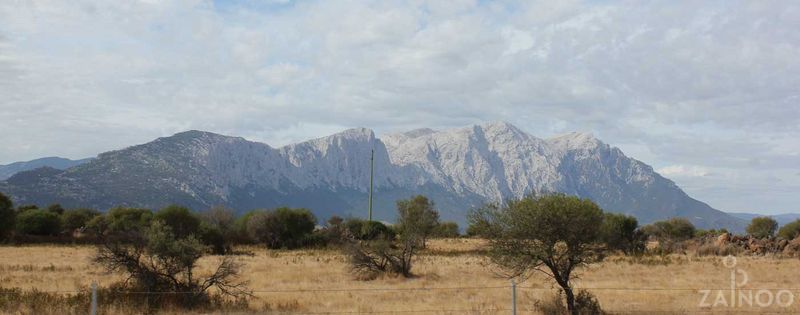 Sardinia's landscape
Varied natural environment in Italy
The natural environment in Italy can be divided into six regions: The Italian Alps, the Po Valley, the Apulian foreland, the Tyrrhenian foreland, the islands and the Apennines. The latter region is also divided into northern, central, southern and Calabrian Apennines. While mountain valleys, glaciers and high peaks dominate the Italian Alps, the Po Valley geographically located below is one of the most fertile regions of Italy. The 652 km long Po River is the main lifeline of the entire region and, in combination with a favourable climate, is responsible for excellent agricultural conditions.
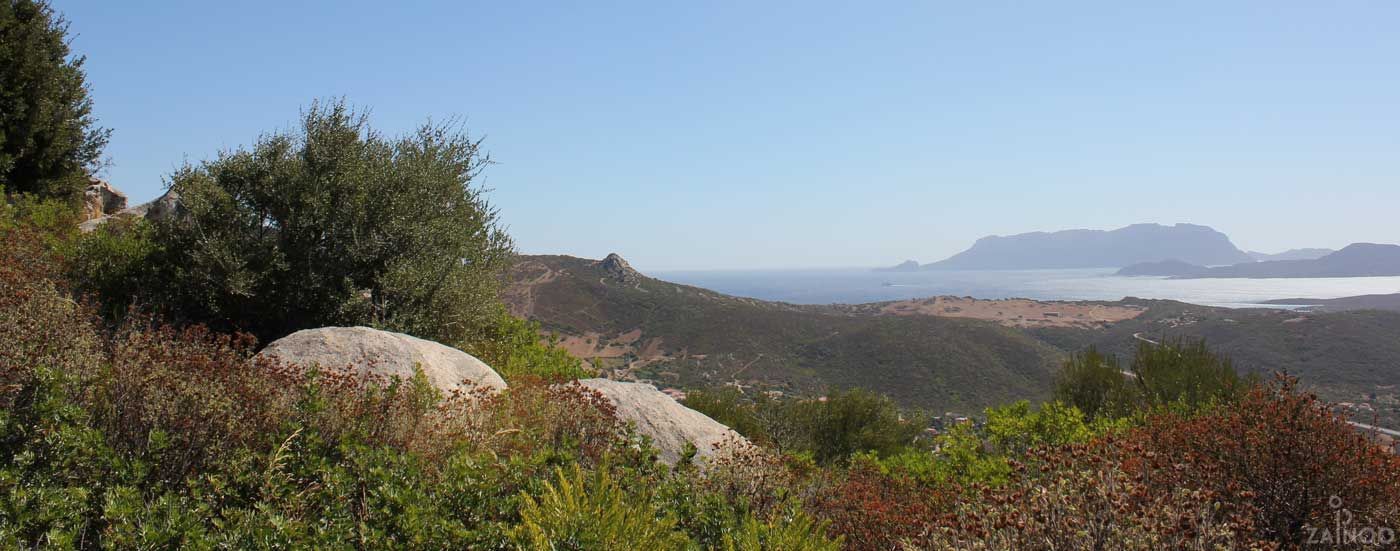
The Apennines consists mainly of limestone and dolomite. A particularly appealing is the change of vegetation at higher altitudes, where hard-leaf plants give way to extensive meadows and heaths. The Apulian foreland is also dominated by limestone offering large areas of pasture and romantic shores. The Tyrrhenian foreland, which stretches from Florence to Naples and is home to the cradle of Roman civilisation, is of an exceedingly volcanic nature. While, Mount Etna aside, karsified limestones characterises Sicily, Sardinia is very calm geologically attracting visitors with mountainous regions varying in form and lots of gorgeous sandy beach.
Environmental protection at the natural environment in Italy
Strict EU regulations and an emerging environmental awareness of the governments lead to the implementation of increasingly stricter environmental protection laws for the natural environment in Italy. The Italian Ministry of Environment is increasingly cramping down on polluters. In addition, alarming data concerning water quality on the Italian coasts have called the population and its increasing environmental awareness into action. After all, tourism is one of Italy's main sources of income, which is why the coastlines have become much cleaner in recent years while legal measures for environmental protection finally seem to gain traction. In addition to the protection of the Mediterranean Sea the Alps have become increasingly important leading to the establishment of extensive protective measures.
Tweet