
Italy's flora and fauna
Natural paradise with flaws
Three evergreen plant species dominate most of the landscape of Italy: holly, pine and cork oak. Each region features a variety of additional species of plant. However, the Italian peninsula has been inhabited by humans for a long time resulting in many changes throughout the centuries. The original vegetation and almost all wild animal species were wiped out and replaced by crops and livestock. Despite this apparent shortcoming, Italy has preserved its appeal for visitors and sparkles with olive groves, vineyards and natural parks.
Italy's flora
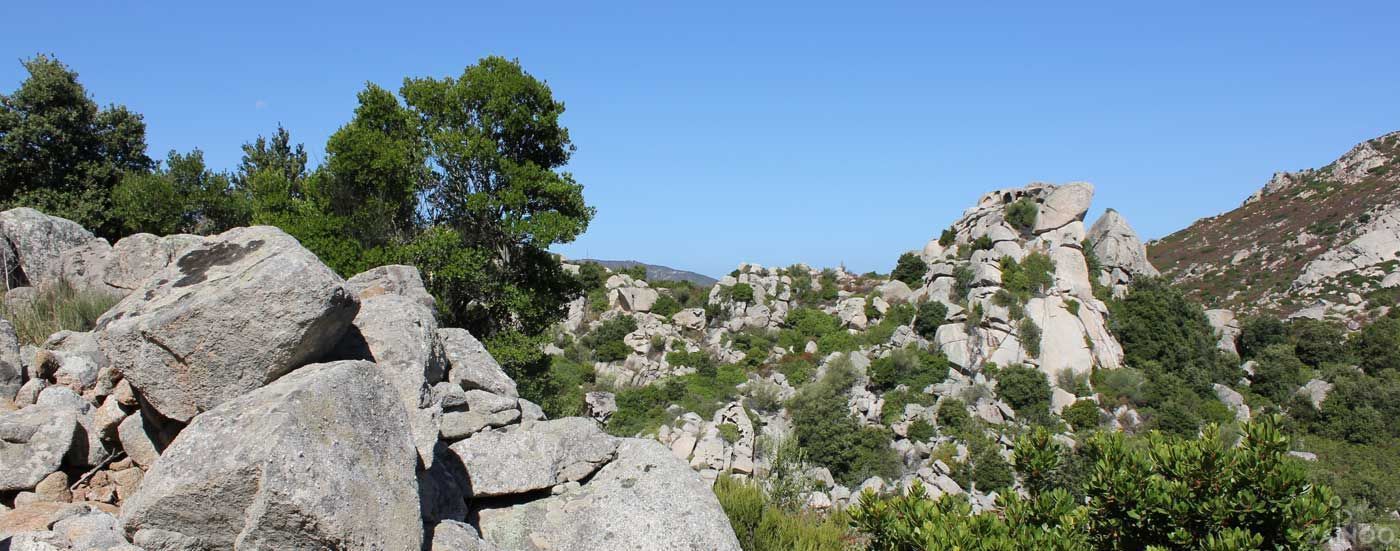
Due to the long phase of settlement of the Italian peninsula and the strong Roman high culture, the natural vegetation and forests in Italy had been destroyed very early. Crops, pastures and vineyards replaced the natural vegetation. Nevertheless, one of the hallmarks of contemporary Italy was established by man - who could imagine Tuscany without olive groves, cypresses, pines and vineyards. A textbook example of an idyllic landscape - shaped by man. Beyond the three main plant species that are found nearly everywhere in Italy (holly, cork oak and pine), original vegetation has been mainly preserved in the more remote border areas and on Sardinia.
Italy's fauna
Similiar to plant life, Italy's wild animals were eradicated almost entirely. Today, native animals, such as eagles, ibexes, chamois, bears, wolves and marmots, can only be found in isolated enclaves and natural parks. However, there's now a limited number of bears and wolves living in the wild, many of which have migrated from neighbouring Slovenia. However, their stock grows very slowly and they're not always welcome.
Swordfish and dolphins can occassionally be spotted on the coasts. Even rare species of birds and seals have returned to Italy. All in all, the measures to protect endangered species slowly begin to take effect. Furthermore, as in many other European countries, originally native animals get the opportunity to resettle.
Tweet